II.
Framework Logic
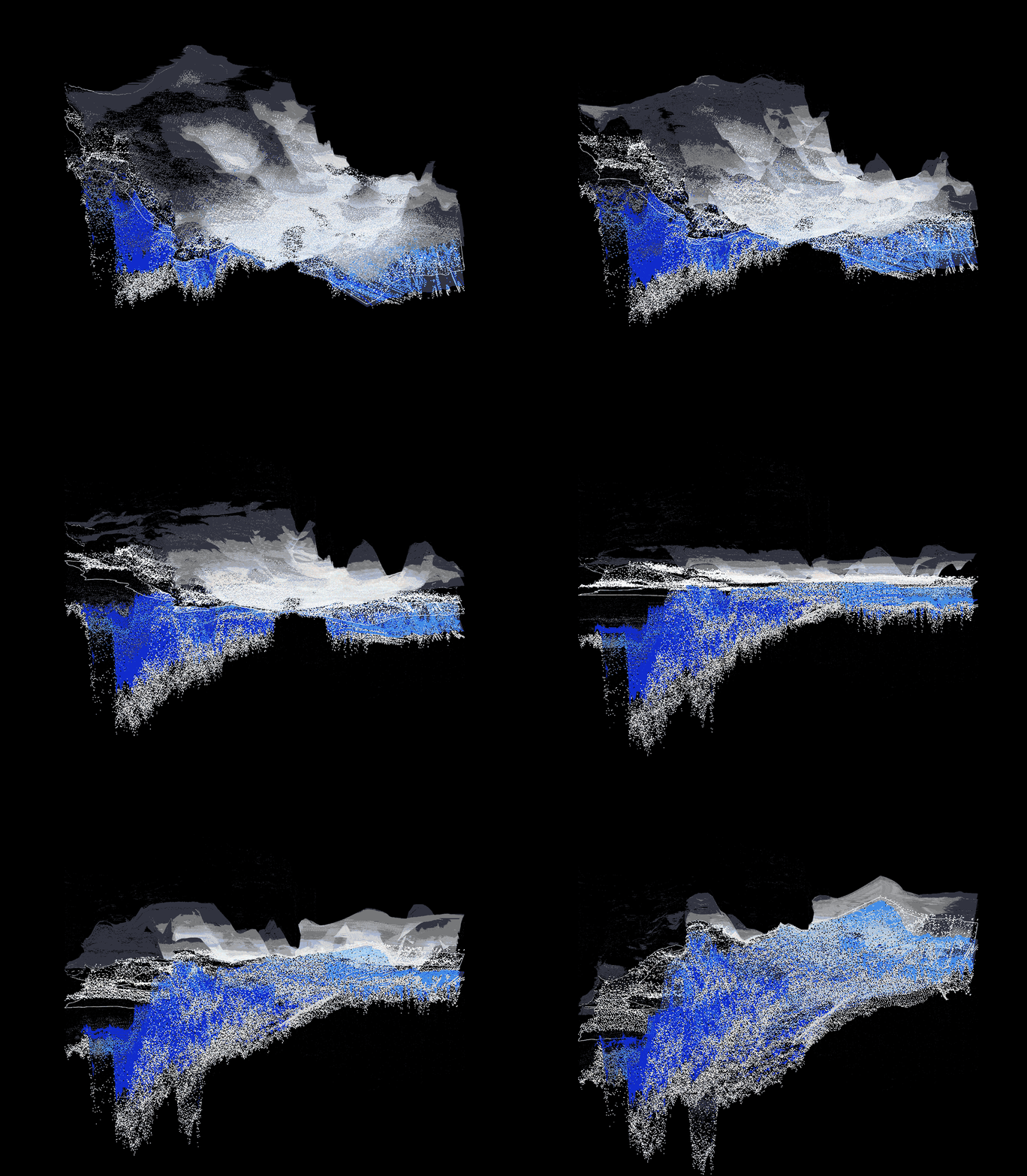
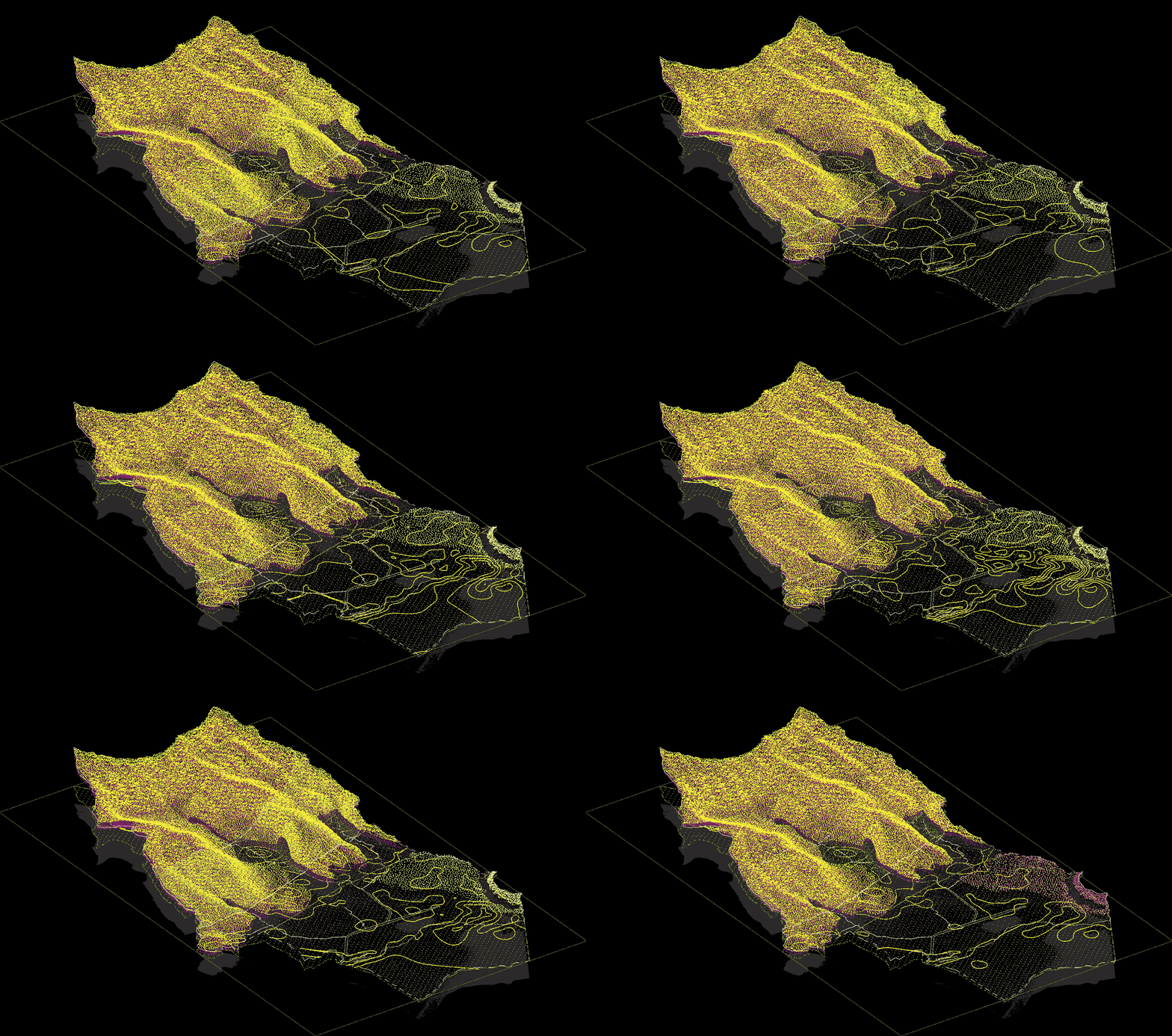
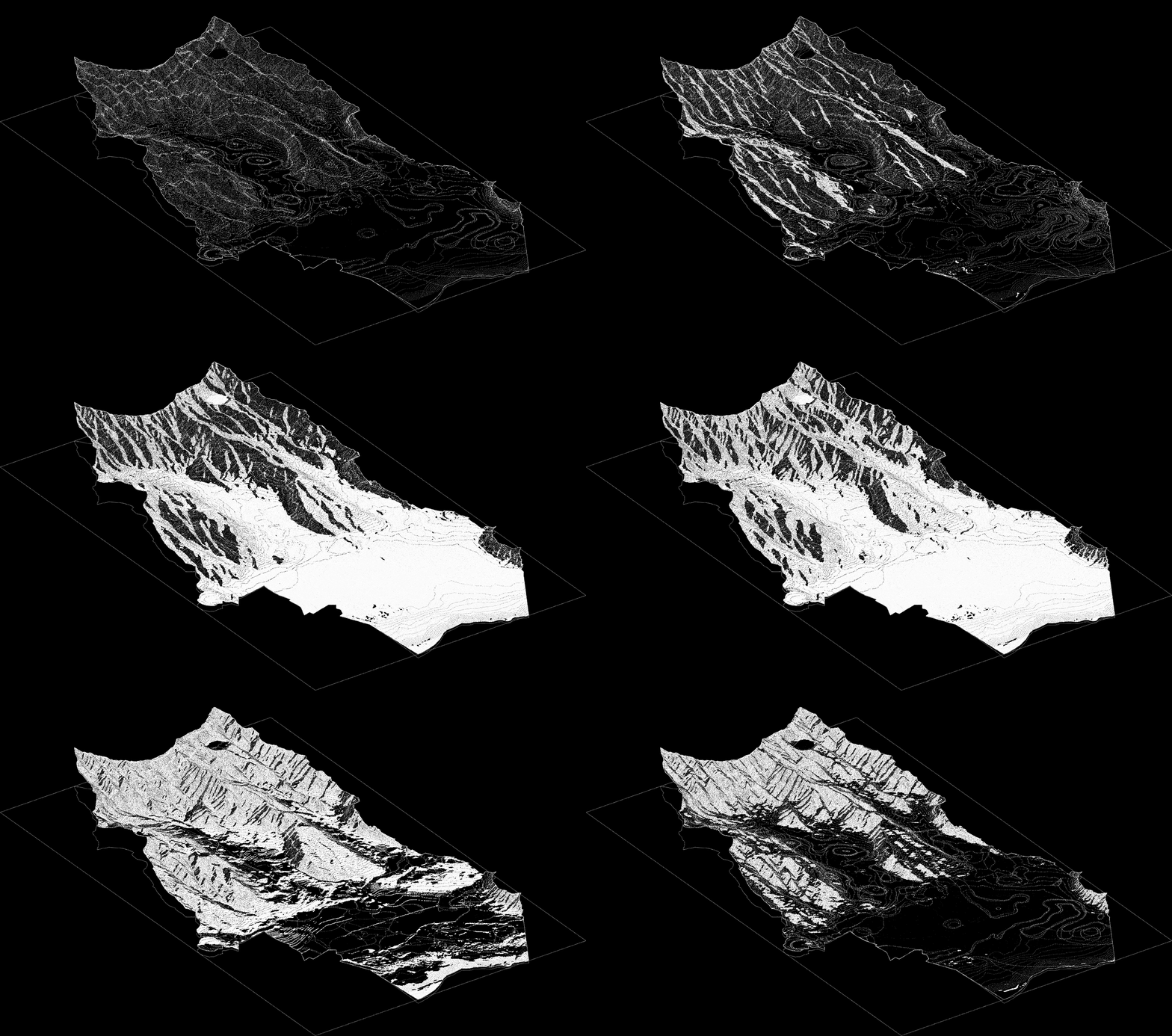
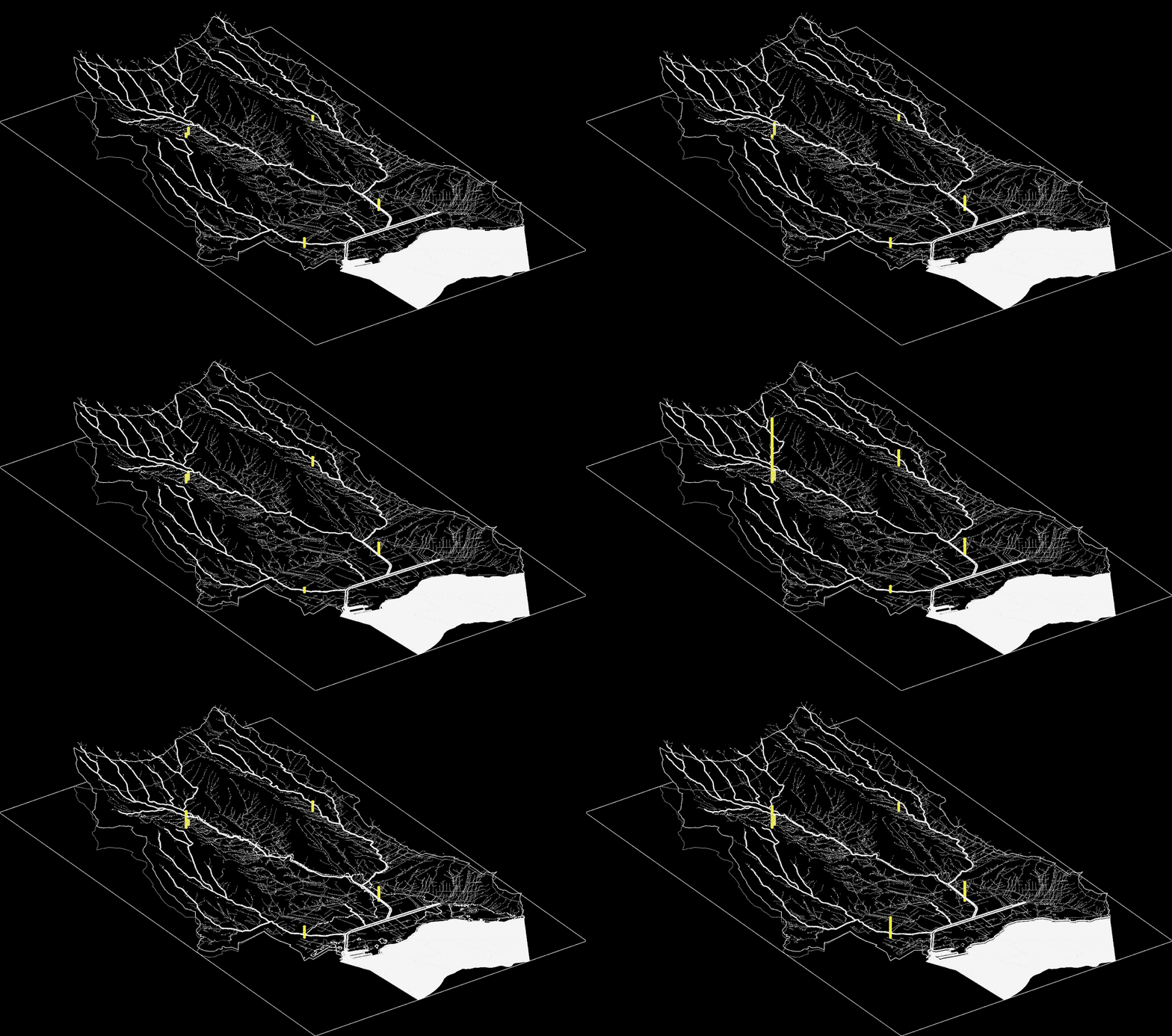
Moku and Ahupua‘a arise from data that reveal insights into the optimal use of resources for sustenance. The constant interpretation, interpolation, and communication of data into culture and knowledge is a dynamic human process unfolding in real-time. Information, being fluid, evolves and changes as it traverses the channels, currents, and positions of matter and life. On the contrary, Western systems of land-use districts, designed to restrict data processes for maximum economic yield (such as American urban, agricultural, or conservation zoning typologies) must evolve to keep pace with the speed and flux of the resources (like water and its various forms) they aim to regulate.
Moku: Scale & Ecocosm
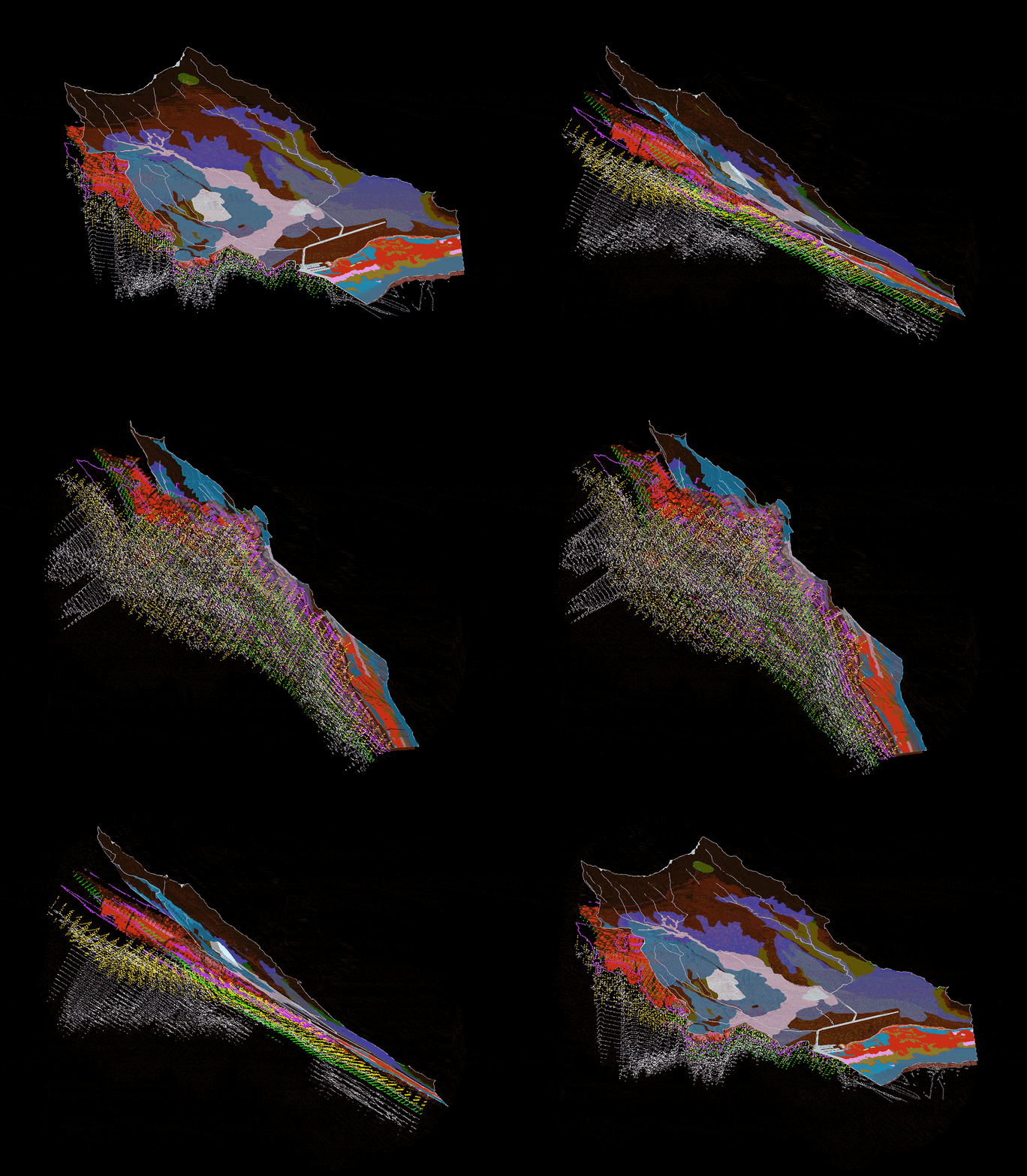
Critical parameters for ahupua‘a recovery aim to reclaim the historical land division as a contemporary technology of sustenance. This framework follows a logic advocating a sustainable, contemporary built environment reflecting a fractal organization—an indigenous concept deeply rooted in Hawaiian wisdom and cultural practice. This organization is seen in ‘āina, the land, which reveals the fractal nature of space, from the island to district scale—both termed "moku".
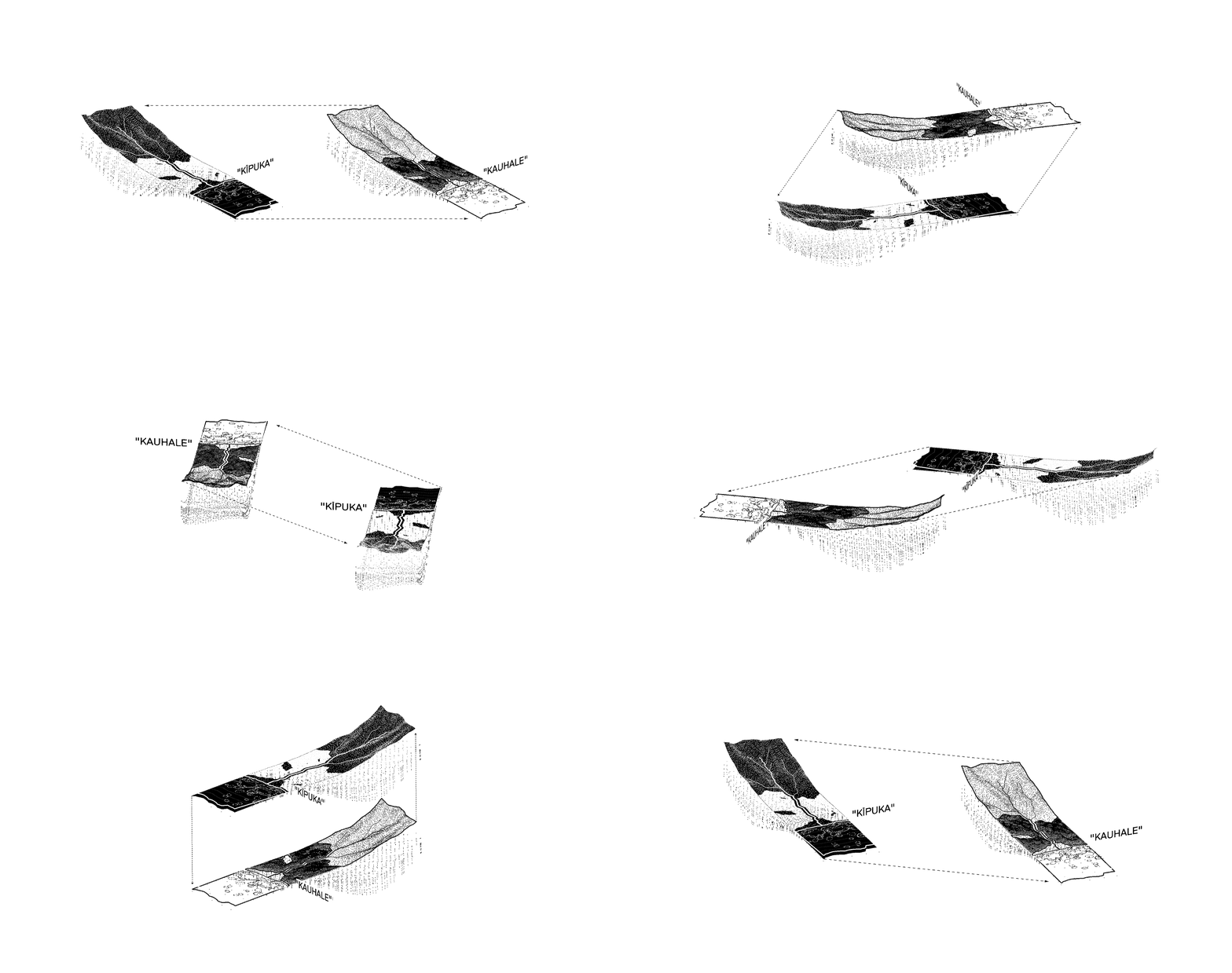
The fractal blueprint of 'āina is seen across five projective scales—moku, ahupua‘a, kīpuka, ‘ili, and kauhale—each playing a distinctive role in fostering resilience and ecological consciousness. This organization encapsulates a city as interconnected neighborhoods, advocating sustainable practices, and preservation of natural elements, advancing interconnectedness, balance, and continuity across urban scales.
The ahupua‘a, segments within this fractal cityscape, are vital for urbanism. They integrate indigenous knowledge and biocultural resource management, optimizing resource distribution, and harmonizing human activity with nature. Within the cityscape, kīpuka serve as ecological recovery zones, performing tasks including reforestation and watershed revitalization, facilitating ecosystem balance and recovery.
At the neighborhood scale, ‘ili zones form the blueprint for holistic development, refining local planning for sustainable and socially equitable outcomes. At these neighborhoods' core, kauhale, symbolizing city-blocks, enhance communal productivity, reorienting local economies towards sustainable resource networks, and instilling shared responsibility among inhabitants.
Understanding the fractal nature of 'āina and its implications for urban environments allows us to appreciate different scales and their role in overall management. This fractal perspective illuminates the path towards the recovery and resilience of urban environments.
Organization
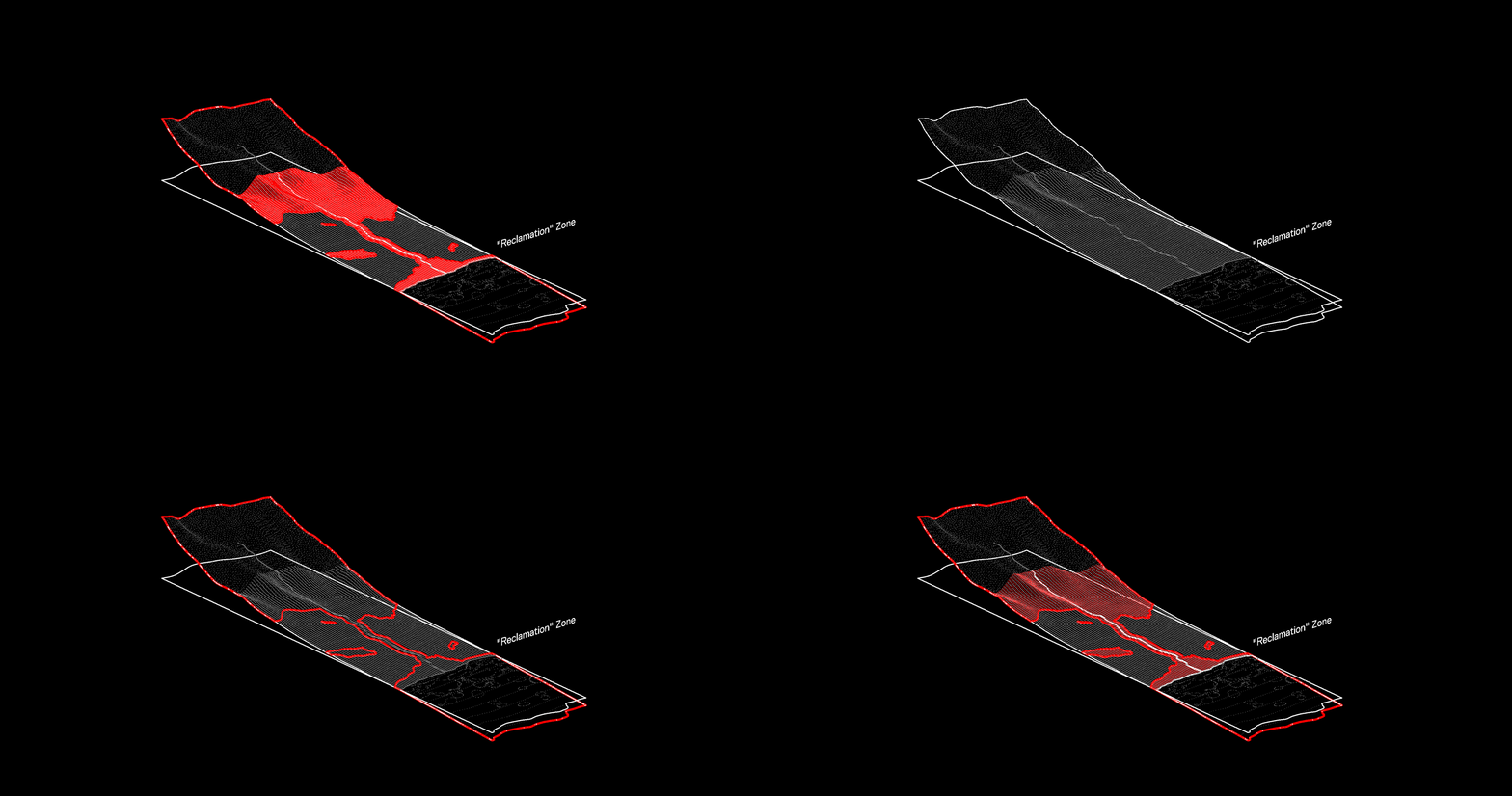
The Moku Systems Framework for Ahupua‘a Recovery is organized into two main sectors that together choreograph the overarching recovery process, each playing a unique but interconnected role to replace the current Euclidean basis of American zoning protocol: Reclamation Districts and Revitalization Districts.RECLAMATION DISTRICTS:
REVITALIZATION DISTRICTS:
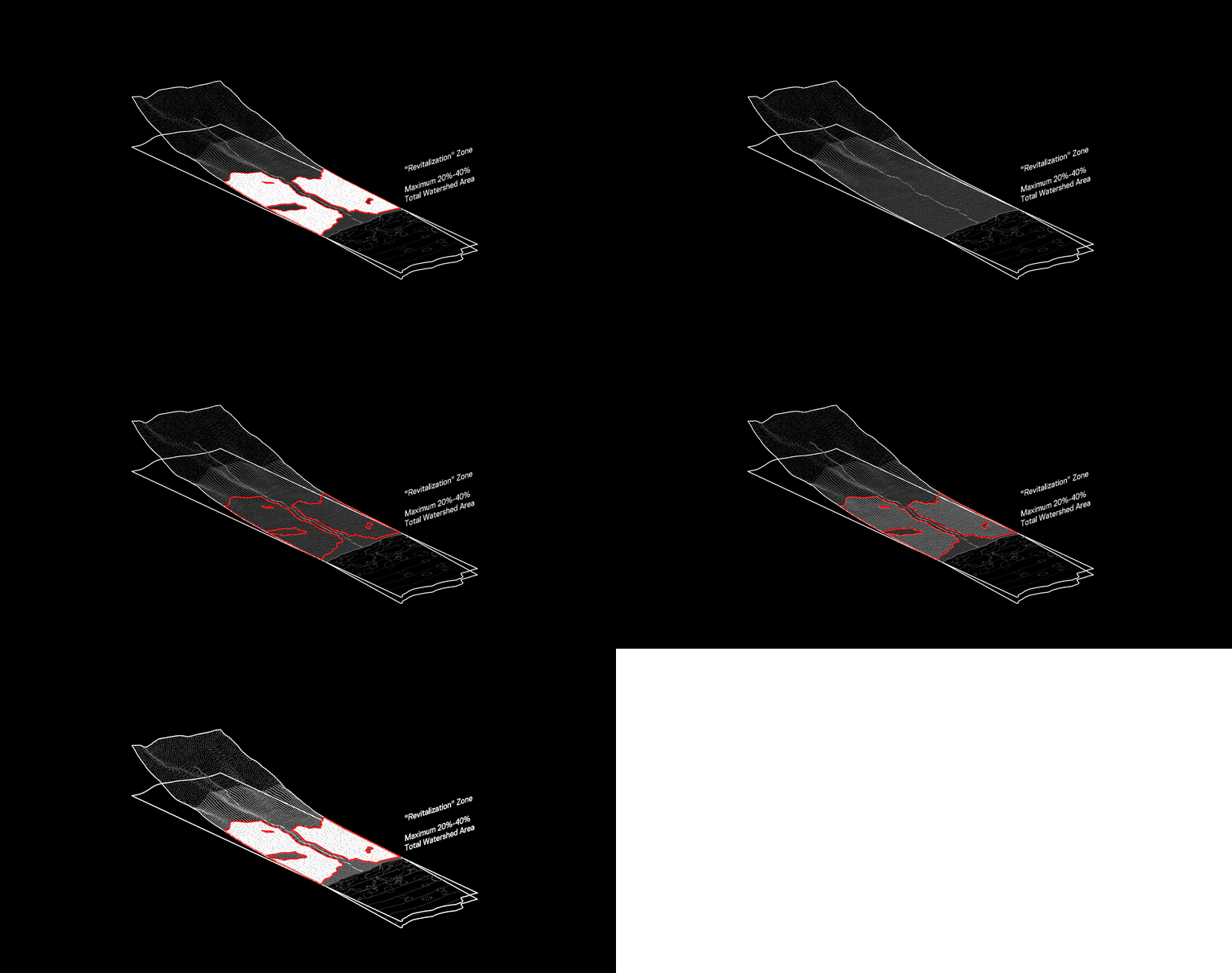
The future demands the challenging yet indispensable task of reclamation—reverting selected urbanized areas to their natural state to respond to sea level rise, beach erosion, and storm surge, or to enhance forests' flood mitigation capabilities. The reclamation process, implemented in areas around channelized streams, filled wetlands, landfills, and dredged reefs, employs a process of subtraction. This may involve changes in zoning or even the total removal of existing structures. Architecturally or culturally significant structures are preserved or relocated, while other developments are deconstructed, their materials repurposed in Revitalization Districts to stimulate the local economy. Conversely, revitalization districts aim to weave high-density living with novel housing typologies, localized food production, markets, and resource generation. The goal is to optimize these areas, ensuring efficient utilization of 20%-40% of the total watershed area for human development while preserving the remainder for ecosystems services and cultural practice.
Feasibility
A spectrum of legal tools already exist to facilitate this transition, such as tax incremental financing, eminent domain, conservation easements, public land trusts, publicly or privately funded acquisition or buyout of properties within these high-risk recovery zones, and even repatriation. While this will necessitate substantial investment, the long-term advantages, like the costs avoided through climate change mitigation and resilience, would compensate for the initial outlay. Moreover, these benefits are perpetual, as the risks are permanently averted once the recovery process is accomplished. A detailed cost analysis is provided in the hawaii Futures rogue studio supplements.Time
The interactions between the two districts are dynamic. Reclamation and revitalization processes collaboratively unfold over several generations (25-100 years), with priorities fluctuating based on factors like costs, community engagement, and environmental catastrophe risk. Together, they rejuvenate the economic and cultural value of ahupua'a as a public resource. The framework advocates a balance between human activity and environmental preservation, safeguarding a sustainable and resilient future for Hawai'i across five projective scales—moku, ahupua‘a, kipuka, ‘ili, and kauhale—each playing a distinctive role in achieving sustainable urbanism rooted in indigenous wisdom and cultural practice:This framework emphasizes a data-based method of drawing boundaries based on physical environmental parameters that also have emotional and cultural relevance. While our focus is on these physical parameters, we recognize the ever-present programmatic and phenomenological parameters that invariably create exceptions, especially when it comes to boundary delineation. The following parameters are identified as a general structural framework for translating entities like moku and ahupua‘a in a contemporary context intending to disrupt that which constrains it—the physical structure of US Urbanism, the agromilitourized built environment, addressing conflicts between real estste development versus the biocultural functionality of a place. A particular emphasis focuses on restoring these areas to their peak productive potential, thereby converting them back into sustainable technologies in their own right.